
🌿 Plastics Unpacked: Simple Steps Toward Less Plastic (and More Fantastic)

Plastics Unpacked: Simple Steps Toward Less Plastic (and more fantastic)
by Sue Pais, CNC
Microplastics and nanoplastics are becoming a growing topic in wellness conversations — but what are they really, and what simple lifestyle shifts can we make without overwhelm?
What Are Microplastics and Nanoplastics?
Research into plastic exposure continues to evolve, and many experts are paying closer attention to how tiny plastic particles may interact with our environments and bodies.
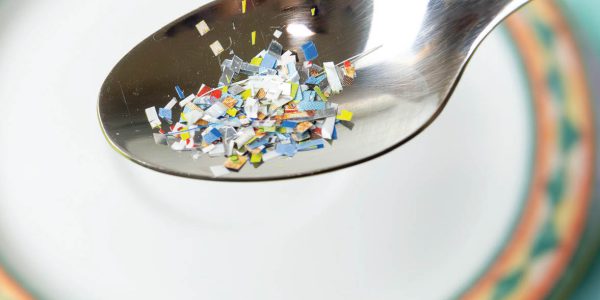
- Microplastics are small plastic particles generally under 5 mm.
- Nanoplastics are even smaller — so small that early research suggests they may interact with cells more easily.
These particles can come from everyday items like food containers, bottles, packaging, and even cutting boards. While exposure may be difficult to avoid entirely, small habit shifts can help reduce contact over time.
Why Are People Talking About Plastics More Now?
Studies continue to explore how plastic fragments appear in water, food, and environmental samples. Some research suggests these particles may circulate throughout the body — though scientists are still learning what that means long term.
Rather than creating fear, many wellness professionals focus on simple awareness + practical steps.
🥗 Everyday Ideas for Reducing Plastic Exposure
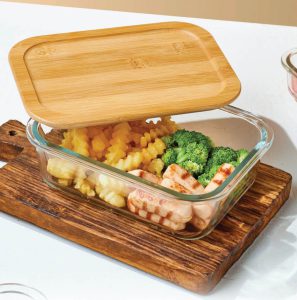
You don’t need a complete lifestyle overhaul. Consider small, sustainable swaps:
- Choose glass food storage containers when possible
- Focus on more whole, less ultra-processed foods
- Swap plastic cups for glass or stainless steel
- Consider bamboo cutting boards instead of plastic
- Consider using rock salt for flavoring. One option some prefer (myself included) is Redmond Real Salt
- Avoid heating food in plastic whenever possible
- Limit instant meals cooked directly in plastic packaging
- Use refillable stainless steel water bottles
- Look for organic or unbleached tea bags
- Filter your drinking water if available
(Example brands or products mentioned are simply options — always choose what works best for you.)
📊 What Some Studies Are Finding
While research is ongoing, a few frequently discussed findings include:
- Some bottled water samples have shown high counts of tiny plastic fragments.
- Organizations like the Environmental Working Group have estimated that people may ingest measurable amounts of microplastics annually through everyday exposure.
As always, science evolves — and awareness helps us make thoughtful choices without stress.
🌱 Supporting the Body’s Natural Detoxification Systems
Our bodies already have built-in detoxification pathways. Nutrition and lifestyle habits can help support these natural processes.
🥕 Nutrients + Foods That May Help Support Detox Pathways
Antioxidant-rich foods: citrus, berries, spinach, garlic
Cruciferous vegetables: broccoli, kale, bok choy
Healthy fiber sources: apples, flax, chia seeds
Protein foods: eggs, poultry, quinoa
B-vitamins: leafy greens, poultry, eggs
Adequate hydration, restorative sleep, and regular movement can also play supportive roles.
Protein and hydration needs vary widely by individual — aim for balance rather than strict rules.
😴 Sleep + Melatonin Support
Restful sleep is essential for recovery and overall wellness. Foods like pistachios naturally contain melatonin, which may help support evening routines.
💧 Hydration + Fiber
Consistent hydration and fiber intake support normal digestion — one of the body’s primary elimination pathways.
🔥 Movement, Sweat, and Wellness
Some research suggests sweating may help eliminate certain compounds through the skin. Gentle exercise, sauna use (if appropriate for you), and movement can support overall wellness routines.
Small Steps, Big Impact
You don’t have to do everything at once. Even one small shift — choosing glass storage or filtering your water — can be a positive step forward.
Progress, not perfection, is always the goal.
Gentle Wellness Note
This article is intended for educational purposes and reflects general lifestyle and nutrition information. It is not individualized medical advice.