

A Gentle Reminder: Drink Your Water

Hydration isn’t about rules or perfect ounces — it’s about listening to your body, noticing the signals, and supporting your energy with simple daily habits.
We’ve all heard it: “Start your day with a glass of water.”
But, why?
Let’s take a closer look at hydration habits—and why there’s such a bubbling buzz around the topic right now.

Morning Ritual
My own morning ritual admittedly flows a different current than in my past.
What once began as a quick pop of a K-cup in the Keurig before dashing out the door has shifted into something slower—more intentional. This slower pace takes all of five minutes, but it’s a habit that makes me feel more awake, alert, and ready to slay my day.
Once awake, I add half an electrolyte powder packet (which includes magnesium, sodium, and potassium) to a glass of filtered water. Then I enjoy the fresh drink, typically while catching the sunrise for a moment.
(Note: there’s no need to purchase powders like what I use. Instead, add a pinch of sea salt and a squeeze of lemon juice to filtered water for a simple mineral boost.)
What’s the role of electrolytes?
Electrolytes help the body maintain fluid balance and support how water is absorbed and used — especially after sleep or long stretches without drinking. Think of hydration less as “flushing” the body and more as supporting its natural filtration and balance systems.
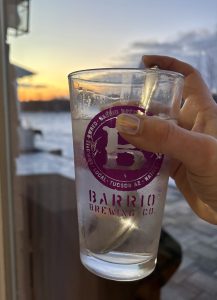
And then? I grab my black coffee and the day begins. Once I have my java jolt, I sip water (without electrolytes) throughout the remainder of the day.
Hydration: It’s Not Just Another Wellness Rule
It’s not just one more thing to track or get right. It’s much simpler—and when we listen to our bodies, we begin to notice the small signals.
On days when my energy dips, when my patience runs thin, or when my workouts feel heavier than usual, the solution sometimes is as simple as this: just add water.
The body whispers before it ever shouts. Experts often remind us that even mild dehydration can influence mood, focus, and circulation—and that reminder is whispering permission to slow down. To refill the glass, and take care of ourselves in small, sustainable ways.
Drinking water accomplishes far more than quenching our thirst. It keeps our bodies functioning properly.
Hydration: It’s More Than Quenching Thirst
While mainstream media sometimes claims that up to 75 percent of Americans are dehydrated, there is no firm clinical data to support that exact number. Even without definitive statistics, the conversation itself reflects growing concern—and a reminder that hydration deserves more attention.
Hydration isn’t merely about thirst; rather it supports the function of nearly all our body’s major systems. Among many other tasks, water helps:
- Carry nutrients and oxygen to cells
- Lubricate joints
- Protect body organs and tissues
- Support kidneys and liver as they process waste
- Dissolve minerals + nutrients so the body can use them
- Regulate body temperature
HOW MUCH WATER DO WE NEED?
According to Mayo Clinic Health System*, through merely breathing, perspiring, and bodily elimination, we can lose up to eight to 12 cups of water daily. (Water leaves the body through the lungs, skin, kidneys, and gastrointestinal tract.) And depending on our activity levels, hot weather, high-fiber diets (which naturally absorb more water), and increased losses from caffeine and alcohol intake, we may need even more.
So how much is enough?
Adequate hydration varies from person to person. Stay closely in-tune with how your body feels—and yes, notice the color of your morning urine. If it’s a dark yellow (similar to apple juice), this may indicate dehydration. Instead, aim for a pale lemonade-color, which often suggests you’re appropriately hydrated.
ACHIEVING BETTER HYDRATION
Certainly, water should be a primary source of daily fluid intake. Starting the day with water (mixed with an electrolyte), then sipping water consistently throughout the day, can help build a steady hydration habit.
Additional sources of hydration can include milk, decaffeinated teas, as well as eating fruits and vegetables, many of which contain high water content.
Not a Fan of Plain Water?
I get it. Plain water can feel boring, and in a culture where drinks are treated as small moments of self-care (hello, Starbucks), we want to look forward to what we sip.
If you’re craving more flavor, try adding slices of lemon, cucumber, orange, and/or lime to create simple infused water.
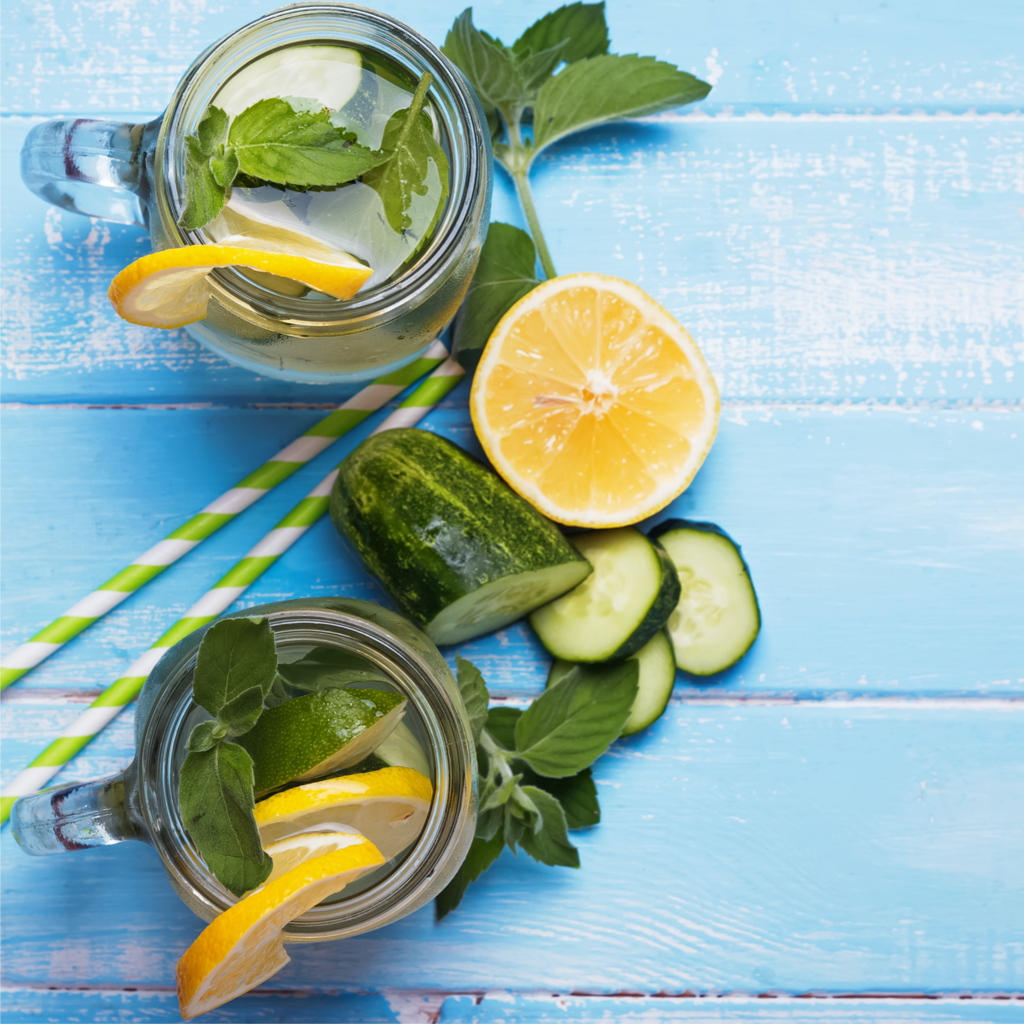
Check out my cucumber-lemon-mint detox water recipe here, or try some of your own refreshing combinations. Simply add ingredients into a 64-ounce pitcher, top with filtered water, and refrigerate for three hours—and up to three days.
Stay tuned and I’ll create a printable ‘Infused Water Recipe’ list with lots of fun, tasty, and refreshing possibilities. Coming soon!
Hydration doesn’t have to be complicated. Sometimes it’s simply a quiet pause, a refill, and a reminder that small choices — repeated daily — can support a stronger, steadier version of ourselves.
General hydration facts referenced from Mayo Clinic Health System and widely accepted wellness guidelines.